
Self-Paced Resources & Helpful Links
to Support Your Journey
This collection includes books, videos, podcasts, and other resources that I frequently recommend to support continued reflection, growth, and healing between sessions (or wherever you happen to be on your journey).
Take what resonates, leave what doesn't, and trust that you don't have to explore it all at once.
Apps, Podcasts, Videos & TedTalks
Healing is rarely built from one conversation or one perspective alone.
While certainly not an exhaustive or fully comprehensive list, these are some of the resources I return to most often because they help introduce, deepen, or reframe concepts that frequently emerge throughout the therapeutic process and our understanding of ourselves, our relationships, and the systems we exist within.
-
-
Being Well: Learning to Trust Yourself - How to Stop Self-Abandonment
Being Well: Your Parents are Emotionally Immature. Now What?
Being Well: Self-Sabotage - Why You Do What You Shouldn’t, and How to Stop
Being Well: Reclaiming Anger - Trauma, Repression & Healthy Protest
Hidden Brain: Escaping Perfectionism
Hidden Brain: Being Kind to Yourself
Hidden Bran: The Paradox of Pleasure
Hidden Brain: The Path to Enough
Mantra with Jemma Sbeg: I Balance Self-Improvement with Self-Acceptance
Not For Everyone: Not For Abandoning Yourself + Mastering Emotional Boundaries
On Attachment: The Demonization of Avoidant Attachment (& Why It Has to Stop)
On Attachment: Sex & Attachment - How Anxious & Avoidant Attachment Styles Impact Sexual Dynamics
OCD Stories: What’s the Problem?
OCD Stories: Trauma & OCD
Sexology: Holistic Sexual Wellness
Sexology: Come As You Are
Sexology: Recovering from Unhealthy Sexual Shame
The One You Feed: Jonice Webb on Childhood Emotional Neglect
The Relationship Show: Healing CEN in Relationships
We Can Do Hard Things: Loving Your Body Changes Your Life
Unf*ck Your Brain: Your Body Manifesto
-
My Most Recommended Books
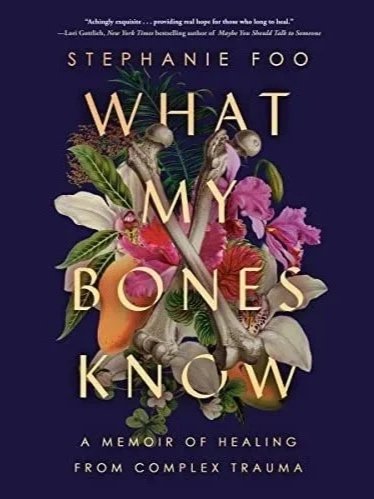
The memoir sheds light on C-PTSD in a significantly more relatable, hopeful and narrative-style approach that I recommend as an alternative to The Body Keeps the Score. Stephanie Foo weaves together personal experience, research, and interviews to illuminate what it means to heal from Complex PTSD. This deeply human book offers validation, hope, and a reminder that healing is rarely linear.. but it is possible.
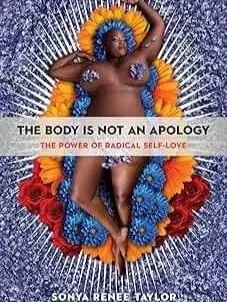
A powerful call toward radical self-love that challenges body shame, beauty standards, and systems of oppression. This book encourages readers to build a more compassionate relationship with themselves while recognizing how individual healing and social justice are deeply connected.
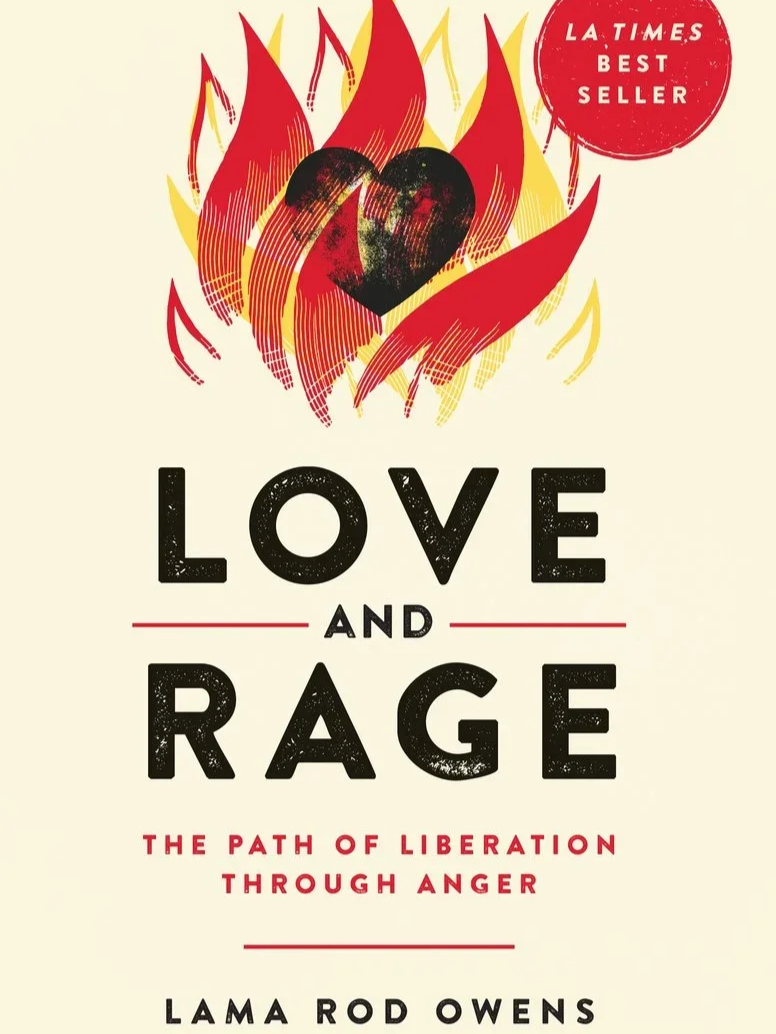
A thoughtful exploration of relationships, conflict, and emotional accountability that challenges us to move beyond blame and toward deeper connection. This book offers practical and compassionate tools for navigating rupture, repair, and the complexities of loving ourselves and others.
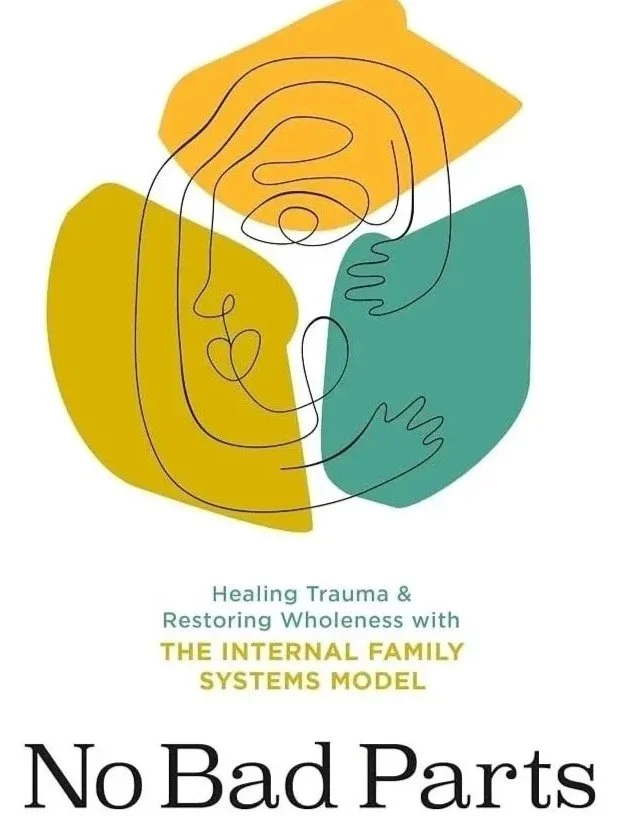
Grounded in Internal Family Systems (IFS), this book introduces the idea that every part of ourselves (even the ones we struggle with) has a purpose. It offers a compassionate framework for understanding inner conflict and cultivating greater self-leadership, healing, and integration.
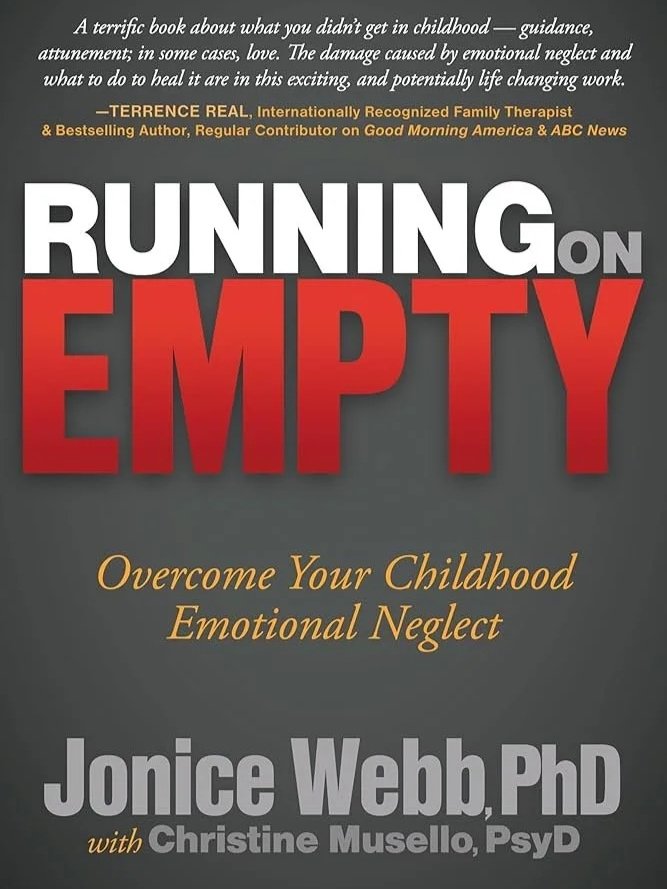
Jonice Webb explores the often-overlooked impact of Childhood Emotional Neglect (CEN) and how growing up without consistent emotional attunement can shape our relationships, self-worth, and emotional lives. With insight and practical guidance, this book helps readers identify what may have been missing and how to begin building the emotional connection and self-compassion they deserve.
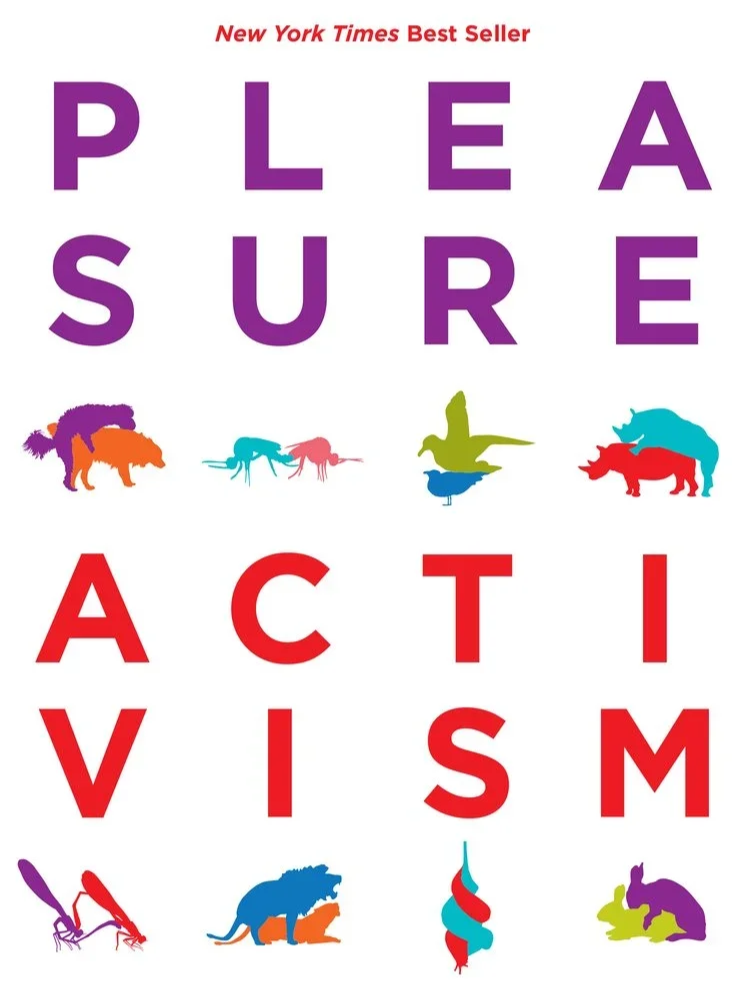
An invitation to reimagine pleasure as a source of healing, resilience, and collective liberation. This book explores how joy, embodiment, and connection can become meaningful acts of resistance in a world that often asks us to disconnect from ourselves.
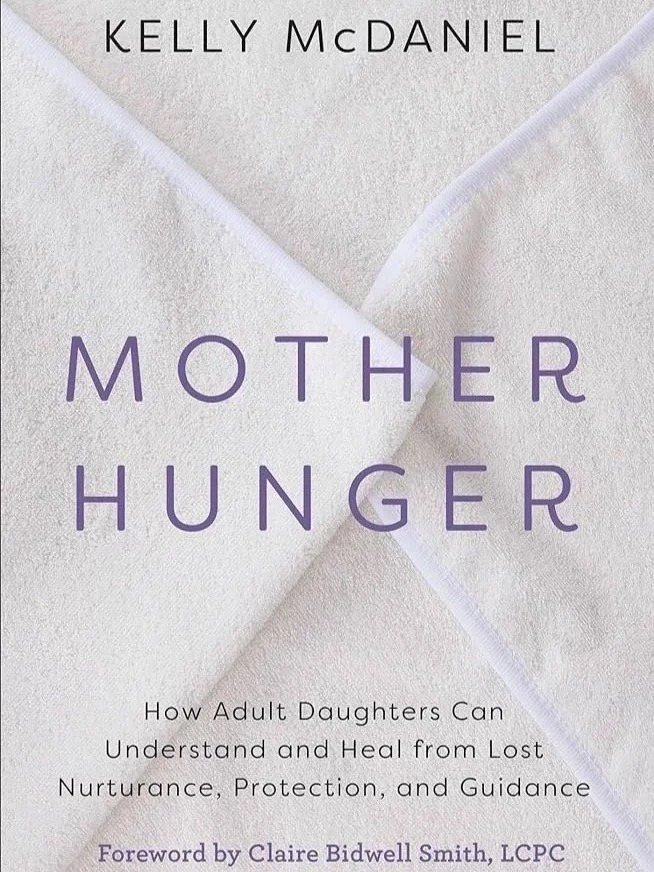
A compassionate exploration of the lasting impact of unmet maternal needs across the lifespan. Whether your relationship with your mother was marked by absence, inconsistency, or emotional disconnection, this book offers language, validation, and pathways toward healing.
This book examines the profound ways systemic oppression becomes embodied, influencing our nervous systems, relationships, and overall well-being. It invites readers to understand healing as both an individual and collective process rooted in context, justice, and liberation.

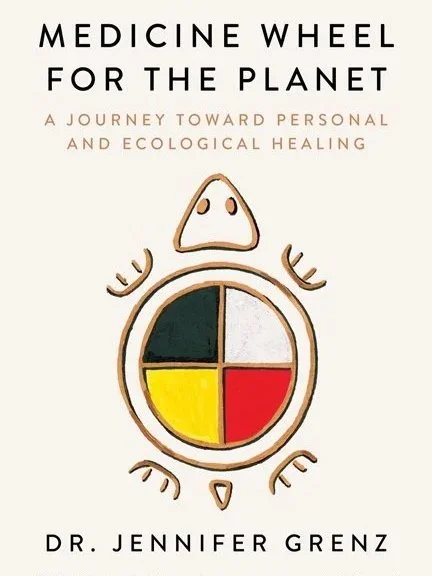
Drawing from Indigenous wisdom and ecological perspectives, this book invites readers to reconnect with themselves, one another, and the living world. It offers a holistic lens on healing that emphasizes reciprocity, balance, and our relationship with the communities and environments that sustain us.
This book offers practical guidance for raising children through connection rather than fear, shame, or punishment. Grounded in attachment and emotional attunement, it helps caregivers foster resilience, secure relationships, and healthy emotional development.